
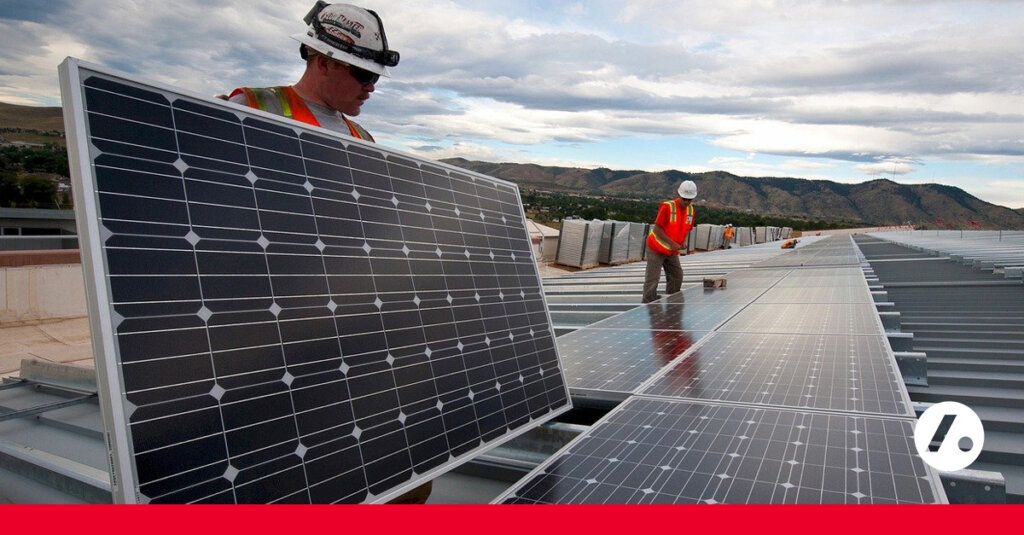
Renewable Energy Industry Outlook for 2026

Despite a challenging 2025 due to policy changes, the renewable energy industry still dominated U.S. capacity growth, accounting for 93 percent of additions through September 2025. As it looks ahead to 2026, it expects to attract investor capital through strategic changes, including shifts to safe-harbor projects and improved efficiencies to minimize rising costs. This means that demand for talent, cost-savings, and innovation will be more important than ever.
Overall Growth Trends and Predictions
- 97 percent of solar energy providers plan to grow their capacity in the next three years.
- 73 percent of financiers plan to increase their investment in infrastructure projects.
- 59 percent of renewable energy providers are confident in their projects’ resilience.
According to the FM Global Group, which surveyed 400 executives from the renewable energy sector, the appetite to build and invest in renewable energy infrastructure is strong. The global market expects to add more than 5,500 gigawatts of capacity by 2030 and the global demand for electricity is expected to double by 2050. These numbers put pressure on decision-makers to meet demand while protecting their investments and managing risks.
Challenges in Meeting Demand
With constant pressure to boost productivity while keeping costs down, developers are beginning to rely on AI tools to help them strike this balance. For example, executives from the FM Global Group survey cited weather-related damage as their top operational concern, above equipment failure and supply chain disruptions. New technologies that can more accurately provide weather forecasts can prevent delays and unplanned downtimes and improve chances of on-time completion.
Another challenge is making sure investors don’t lose confidence in their projects. By helping investors understand the valuation of a given project, developers can demonstrate how resilient their projects will be and this will not only attract financial support but also insurers who can provide more capacity at better terms.
Nearly half (47 percent) of renewable energy providers are concerned that a lack of clarity around the resilience of their projects could increase the cost of insurance and 44 percent fear that it could impact their ability to get the coverage they need, which could slow the progress of the green energy transition. To satisfy the demands of financiers, insurers, and society at large, energy providers and project developers must bring risk considerations into their planning at the earliest stage of development.
Employment Trends and Predictions
Thanks to increasing concern over climate change, jobs in renewable energy are also increasing. According to the Bureau of Labor Statistics, jobs are expected to grow in all the major sectors: manufacturing, project development, construction, operation and maintenance, and installation. In the U.S. particularly, interest in clean energy, specifically solar energy, has grown exponentially, and due to its cost effectiveness compared to other sources of energy, solar power has become the preferred method of sustainability.
Despite relying more on AI to drive optimization and productivity, the renewable energy industry is still seeking talent and collaboration from its workforce. Those prepared in such work as maintenance, drilling, robotic assembly, repairs, and compliance will have the most success throughout this transition. In particular, those well-versed in project risks will be valuable as financiers worry about returns on their investments. Engineers with expertise in site inspections and cost projections can help reduce overall construction spending by understanding all the possible threats to the resilience of a project.
Next Steps
The renewable energy landscape of 2026 demands agility, expertise, and the right talent at the right time. Whether you’re scaling operations to meet ambitious capacity goals, navigating policy uncertainties, or seeking specialized skills in risk assessment and project resilience, Acara delivers tailored staffing solutions that keep your projects on track and on budget. With deep expertise in sustainability sectors and a proven track record of matching urgent needs with qualified professionals, we help you turn industry challenges into competitive advantages. Don’t let talent gaps or recruitment delays slow your momentum—partner with Acara to build the workforce that powers your growth.